Bone Loss After 40: How to Protect Your Bones Before Menopause Speeds It Up
Bone loss speeds up at menopause, so your 40s are the window to act. Learn calcium and vitamin D needs, bone-building exercise, and when to get scanned.

This article is general information, not medical advice. We are not medical professionals. Talk to your doctor about your bone health, especially if you have risk factors for osteoporosis. Read our Medical Disclaimer.
Bone loss doesn’t hurt, and you can’t feel it happening. That’s what makes it easy to ignore, and why many women first learn they have osteoporosis after a fracture.
The key fact: women lose bone fastest in the years just before and after menopause, as estrogen falls. That makes your 40s and early 50s the best window to protect the bone you have. The things that help most are free or cheap: the right kind of exercise, enough calcium and vitamin D, and knowing when to get checked.
Why Bone Loss Speeds Up Around Menopause
Bone is living tissue that’s constantly broken down and rebuilt. Up to your late 20s, you build more than you lose. After about age 30, the balance slowly tips the other way.
Estrogen helps slow bone breakdown. When it drops during the menopause transition, bone loss speeds up. Women can lose a significant amount of bone density in the years surrounding menopause, which is why osteoporosis is much more common in women than in men.
What Raises Your Risk
Some risk factors you can’t change:
- Being female, and being past menopause
- Age
- Family history, especially a parent who broke a hip
- Small, thin frame
- Early menopause (before 45), including surgical menopause
- White or Asian ancestry (though osteoporosis affects women of all backgrounds)
Some you can change or manage:
- Low calcium or vitamin D intake
- Inactivity
- Smoking
- Drinking more than one alcoholic drink a day
- Very low body weight or past eating restriction
- Certain medications, especially long-term steroids (like prednisone), some anti-seizure drugs, and some breast cancer treatments
- Some medical conditions, including rheumatoid arthritis, celiac disease, and overactive thyroid
Calcium: How Much Do You Need?
According to the NIH Office of Dietary Supplements:
| Age (women) | Calcium per day |
|---|---|
| 19 to 50 | 1,000 mg |
| 51 and older | 1,200 mg |
Food first. Good sources include:
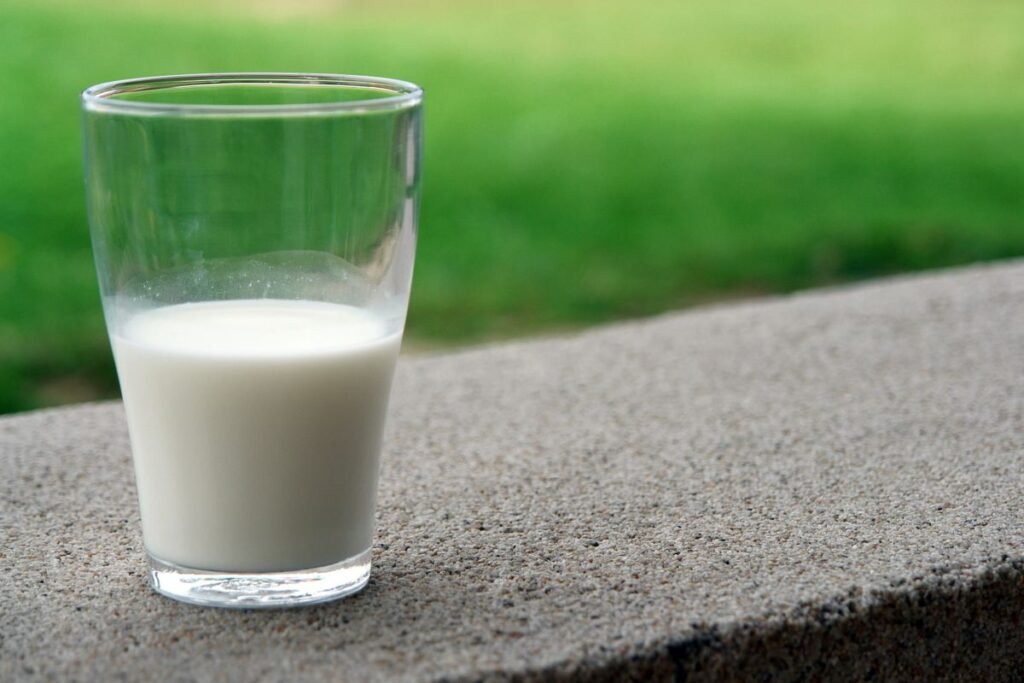
- Dairy: milk, yogurt, cheese
- Fortified foods: some plant milks, juices, cereals, and tofu made with calcium
- Canned sardines and salmon with bones
- Leafy greens like kale and bok choy (spinach is less useful, as its calcium is poorly absorbed)
About supplements: if you can’t get enough from food, a supplement can fill the gap, but more isn’t better. Very high intakes can cause kidney stones and other problems. Take no more than about 500 mg at a time, as your body absorbs smaller doses better. Talk to your doctor about how much you actually need from a supplement, based on what you already eat.
Vitamin D: The Calcium Helper
Vitamin D helps your body absorb calcium. The NIH recommends 600 IU (15 mcg) a day for adults up to 70, and 800 IU (20 mcg) after that.
Sources include sunlight, fatty fish, fortified milk and cereals, and egg yolks. Many people, particularly those who get little sun, have low vitamin D levels. A simple blood test can check yours. Don’t take very high doses without medical advice; too much vitamin D can be harmful.
Protein Matters Too
Bone isn’t just calcium; it has a protein framework. Getting enough protein supports both bone and the muscles that protect you from falls. See how much protein women over 40 need.
The Exercise That Helps Bones Most
Bones respond to load. Two types of exercise matter most:
1. Weight-bearing exercise
Activities where you’re on your feet and working against gravity:
- Brisk walking
- Hiking
- Stair climbing
- Dancing
- Low-impact aerobics
Swimming and cycling are great for fitness and joints, but they don’t load bones much, so pair them with weight-bearing activity.
Track how far you walk with our free steps to miles calculator.
2. Strength training
Lifting weights, using resistance bands, or bodyweight exercises like squats and push-ups put healthy stress on bones and build the muscle that supports them. Aim for at least two sessions a week, working the major muscle groups. Our muscle loss after 40 guide has more on getting started.
3. Balance work
Falls cause most fractures. Tai chi, yoga, and simple balance exercises like standing on one foot (holding a counter) reduce fall risk.
If you already have osteoporosis, some movements, such as deep forward bends, toe touches, and twisting under load, may increase spine fracture risk. Ask a doctor or physical therapist which exercises are safe for you.
Everyday Habits That Help
- Don’t smoke. Smoking speeds up bone loss.
- Keep alcohol moderate, ideally no more than one drink a day.
- Make your home fall-safe: good lighting, no loose rugs, grab bars where useful.
- Get your eyes checked. Poor vision increases fall risk.
- Ask about medications that might affect your bones or balance.
When to Get a Bone Density Scan
A DEXA scan is a quick, painless, low-radiation test that measures bone density.
The U.S. Preventive Services Task Force recommends screening for:
- All women 65 and older
- Younger postmenopausal women at increased risk of fracture, based on risk factors such as low body weight, smoking, heavy drinking, family history, or a past fracture
Ask your doctor about a scan earlier if you:
- Broke a bone from a minor fall after age 40
- Had early menopause
- Take long-term steroids or other bone-affecting medications
- Have lost height or developed a stooped posture
Treatment Options
If tests show low bone density or osteoporosis, there are effective prescription medicines that slow bone loss or help rebuild bone, as well as menopausal hormone therapy for some women. The right choice depends on your fracture risk and health history, so it’s a decision to make with your doctor.
Frequently Asked Questions
At what age do women start losing bone?
Gradual loss typically begins after about age 30 and speeds up in the years around menopause.
Can you rebuild bone after 40?
Exercise and nutrition can help maintain bone and slow loss. Some prescription treatments can help rebuild bone density in people with osteoporosis.
How much calcium do women over 50 need?
About 1,200 mg a day, ideally mostly from food.
Is walking enough to protect bones?
Walking helps, but adding strength training twice a week gives bones more of the load they respond to.
Should I take a calcium supplement?
Only if you don’t get enough from food. Check with your doctor about the right amount.
What are the warning signs of osteoporosis?
Often there are none until a fracture. Loss of height, a stooped posture, or a fracture from a minor fall can be signs.
The Short Version
Women lose bone fastest around menopause, so your 40s and early 50s are the time to act. Get enough calcium (1,000 to 1,200 mg a day, food first) and vitamin D, do weight-bearing exercise and strength training at least twice a week, work on balance, and avoid smoking and heavy drinking. Ask your doctor about a bone density scan if you’re 65 or older, or younger with risk factors. For related reading, see vitamins and supplements for joint pain.
Sources
- NIH Office of Dietary Supplements: Calcium — https://ods.od.nih.gov/factsheets/Calcium-Consumer/
- NIH Office of Dietary Supplements: Vitamin D — https://ods.od.nih.gov/factsheets/VitaminD-Consumer/
- NIAMS: Osteoporosis — https://www.niams.nih.gov/health-topics/osteoporosis
- U.S. Preventive Services Task Force: Osteoporosis Screening — https://www.uspreventiveservicestaskforce.org/uspstf/recommendation/osteoporosis-screening
- Office on Women’s Health: Osteoporosis — https://www.womenshealth.gov/a-z-topics/osteoporosis
Read our Editorial Policy.
Keep reading
More evidence-based guides for staying strong after 40.