
Blood Pressure Spike With No Warning? Here’s What Helped

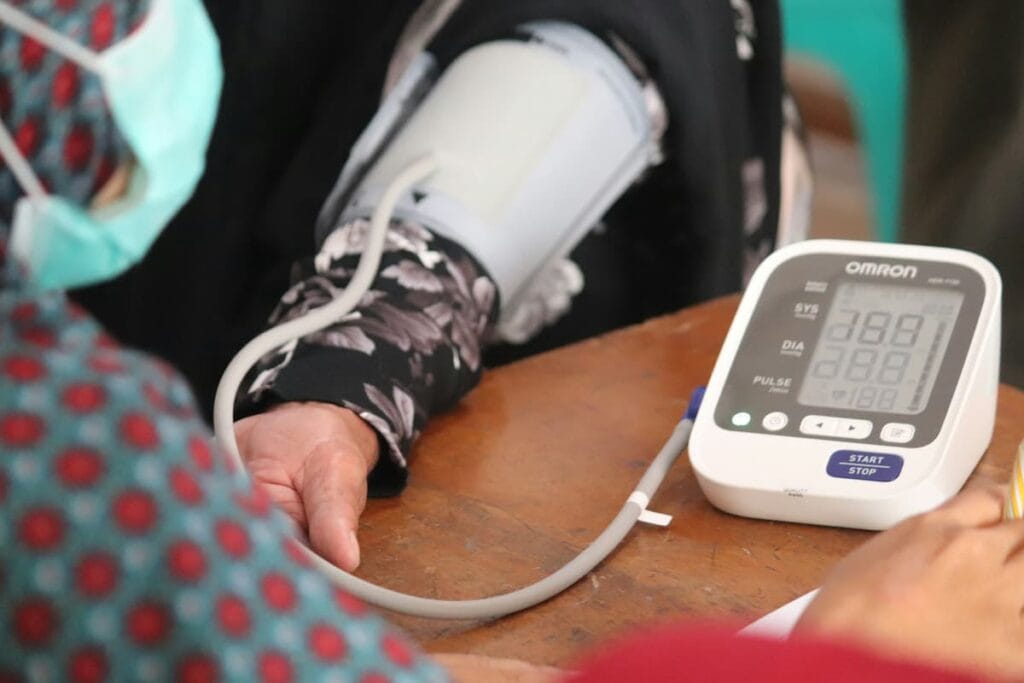
A blood pressure spike caught me completely off guard while I was standing in line at the pharmacy, waiting on a refill, when I noticed the little blood pressure kiosk in the corner — the kind with the oversized cuff and the screen that beeps twice before it starts squeezing. I had ten minutes to kill, so I sat down mostly out of boredom..
The cuff tightened, released, and the number came up: 148/92.
I stared at it for a second, genuinely confused. This didn’t feel like a blood pressure spike — I felt fine, no headache, no chest tightness, nothing dramatic. Just the occasional dull ache behind my eyes some afternoons, and a couple of times a week I’d stood up too fast and had that brief, swimmy feeling before the room settled back down. I’d been chalking both up to not drinking enough water.
I sat back down and did it again, just to be sure. 146/90 the second time. Close enough that it wasn’t a fluke.
That kiosk reading sent me down a research hole that lasted most of a weekend.
Why a Blood Pressure Spike Happens
Blood pressure creeping up quietly, without any obvious symptoms, is actually the norm rather than the exception. A few things kept showing up across the research:
- Arteries naturally lose some flexibility with age, so the same amount of blood moving through them creates more pressure against the walls
- A sodium-heavy, potassium-light diet is extremely common — most people eat far more sodium and far less potassium than what actually keeps blood vessels relaxed
- Chronic stress keeps cortisol elevated, and cortisol has a direct, measurable effect on blood vessel constriction
- Poor sleep and a sedentary day — a lot of us have one without realizing it — both independently push readings upward
- Genetics load the dice too, even when lifestyle is solid
- A blood pressure spike can feel alarming even when it’s temporary and explainable.
None of these are dramatic, single-cause explanations. It’s usually a slow stack of small, ordinary things.
What I Found Digging Into the Research
This is where I came across Cardio Shield, a supplement built around a handful of ingredients — Hawthorn, Olive Leaf Extract, Green Tea Extract, Garlic, Hibiscus — that keep showing up individually in cardiovascular research.
I want to be upfront about something, because it’s easy to skim past: the studies cited on the product’s own page are real, from legitimate sources — NCBI, JAMA, the American Heart Association — but they’re studies on the general lifestyle factors (potassium intake, exercise, stress management, sugar reduction, berry polyphenols), not clinical trials of the Cardio Shield formula itself. That’s a meaningfully different thing than a company saying “our product was clinically proven to lower blood pressure,” and I’d rather say that plainly than let you assume otherwise.
That’s not a dealbreaker for me — plenty of supplements work this way, borrowing credibility from ingredient-level research rather than whole-product trials — but it’s the kind of thing I’d want to know before spending money, so I’m passing it along.
What’s Actually Inside It
The formula centers on ingredients that show up again and again in cardiovascular-support research:
- Hawthorn Leaf & Berry — one of the more studied herbs for heart and circulatory support, used traditionally for centuries
- Olive Leaf Extract — contains oleuropein, a compound studied for its effect on blood vessel relaxation
- Green Tea Extract — a source of catechins linked to healthy blood flow
- Garlic — one of the more consistently-studied foods for cardiovascular support
- Hibiscus Flower — a traditional ingredient in several cultures’ approaches to blood pressure support
- A B-vitamin blend rounding out the formula
I’ll flag this honestly: exact milligram doses for each ingredient aren’t published anywhere I could find on the product page itself, which is common with proprietary blends, but it does mean you can’t compare potency directly against a standalone hawthorn supplement that lists its dose. If exact dosing matters to you, it’s worth emailing the company before ordering.
Deciding to Try It
The capsules are taken daily, per the instructions printed on the actual bottle — I’d trust that over anything you read online, since labels occasionally get updated. I started with the smallest package first, since I wasn’t ready to commit to six bottles for something I hadn’t tried yet.
What I Actually Noticed
I’ll be honest about the timeline, because “I felt amazing in three days” isn’t realistic for anything like this. The company itself says 60 to 90 days for real results, and that tracks with how most cardiovascular supplements work.
The first few weeks, nothing felt different. Around week five or six, I started tracking my numbers at home with a cuff of my own, partly out of curiosity and partly because the pharmacy moment had made me more attentive than usual. The numbers weren’t dramatically different, but they were trending down slightly and more consistently, alongside the other changes I’d made.
I want to be careful here: I can’t separate out how much was the supplement versus the walking, the water, and the sleep changes I made at the same time. That’s genuinely hard to isolate in a sample size of one person, and I’d be skeptical of anyone who tells you they can.
Who Should Talk to a Doctor First
This is the one section I’d ask you to actually read, not skim.
If you’re currently taking blood pressure medication, talk to your doctor before adding any supplement — some herbal ingredients, hawthorn included, can interact with blood pressure and heart medications, and combining the two can occasionally push readings lower than intended.
If you have a diagnosed heart condition, kidney condition, or you’re pregnant or nursing, the same applies — check with your doctor first.
And if you ever get a reading that comes with a severe headache, chest pain, shortness of breath, vision changes, or confusion — that’s not a “monitor it and see” situation. That’s an emergency room situation, regardless of what supplement you’re taking or considering. A blood pressure supplement is not a substitute for emergency care or for prescribed medication.
A Few Practical Things Worth Knowing
Cardio Shield is sold only through its official site, not in stores — worth knowing since the 180-day money-back guarantee only applies to orders placed directly through the official checkout. The guarantee is genuinely 180 days, no questions asked, per the company’s own policy — a longer window than most supplements offer, and honestly the reason I felt comfortable trying it in the first place.
A Few Small Habits I Added Alongside It
None of these cost anything, and the research behind them is honestly stronger than the research behind most supplements:
- A 15-20 minute walk after dinner instead of sitting straight down on the couch
- Swapping one sugary drink a day for water or unsweetened tea
- A short wind-down routine before bed — even five screen-free minutes made a difference in how I slept
Why I Read the Ingredient List Before the Reviews
I’ve gotten into the habit of skipping the five-star reviews entirely and going straight to the ingredient list and the disclaimer page first. Reviews can be incentivized, cherry-picked, or outright fake. An ingredient list and a real refund policy are much harder to fake.
The Cycle I Didn’t Realize I Was Stuck In
Looking back, the pattern was: feel a little off, assume it’s nothing, do nothing, feel a little off again a few weeks later, assume it’s nothing again. It reminded me of how slow I’d been to connect bloating and irregular digestion to anything specific too — both quiet enough to explain away for months. Probably two years of that before the pharmacy kiosk put an actual number in front of me. The number is what broke the cycle — not because it was scary, but because it was specific.
What I’d Tell Someone Just Starting to Notice This
Before spending money on anything, just start tracking it. A week of readings, same time each day, tells you more than a single kiosk number ever could. It’s free, it takes two minutes a day, and it was the single most useful thing I did before I changed anything else.
How I Started
Once I had a week of numbers and had talked it through with my doctor, trying Cardio Shield alongside the walking and the diet tweaks felt like a reasonable next step rather than a leap of faith.
Frequently Asked Questions
Is Cardio Shield safe to take with blood pressure medication?
Talk to your doctor before combining any supplement with prescription blood pressure medication. Some ingredients can interact with medications, and your doctor can tell you whether it’s appropriate for your specific situation.
How long before I see results?
The company recommends 60 to 90 days for initial results, and suggests staying consistent for a full 180 days for the most complete picture — which is also why the 6-bottle package exists.
What if it doesn’t work for me?
Cardio Shield comes with a 180-day money-back guarantee through the official site, so there’s a long window to evaluate whether it’s working for you.
Do I need a diagnosed blood pressure problem to try it?
No — plenty of people use it as general cardiovascular support rather than for a specific diagnosis. That said, if you do have a diagnosed condition, loop your doctor in first.
These statements have not been evaluated by the Food and Drug Administration. This product is not intended to diagnose, treat, cure, or prevent any disease. Individual results may vary. Always consult your physician before starting any new supplement, especially if you are pregnant, nursing, taking medication, or managing an existing medical condition.
Keep reading
More evidence-based guides for staying strong after 40.