This post contains affiliate links. If you make a purchase through one, I may earn a commission at no extra cost to you.
Quick Answer: The Smoothie Diet is a structured 21-day meal-replacement program that removes daily food decisions by replacing two meals with pre-planned smoothies. It’s designed as a short-term reset, not a permanent lifestyle, and individual weight loss results vary significantly. A safe, sustainable rate of weight loss is generally 1-2 pounds per week; anyone with an eating disorder history, or who is pregnant, nursing, or managing a medical condition, should talk to a doctor before starting any meal-replacement program.
I want to start with what I was skeptical about. I have tried every version of a “diet” over the past decade. Low carb. Calorie counting. Intermittent fasting. They all worked until they didn’t — meaning I could stay consistent for two or three weeks and then life would happen, I’d fall off, and the weight would come back. The problem was never the diet itself. It was the decision fatigue. That’s why I decided to try the 21-day smoothie diet — not because I thought smoothies were magic, but because I wanted to eliminate the decisions.
What the 21-Day Smoothie Diet Actually Is
The Smoothie Diet is a 21-day program created by Drew Sgoutas, a certified health coach. The core idea is simple: replace two meals a day with specific smoothie recipes from the program, eat one balanced whole-food meal, and follow a planned schedule for which smoothies to make on which days.
The program includes over 36 smoothie recipes, weekly shopping lists, a prep guide, and a bonus 3-day detox protocol you can use at the start to jumpstart results. It’s a digital download — you get access immediately after purchasing, no waiting for anything to ship.
Why the Schedule Matters More Than the Recipes
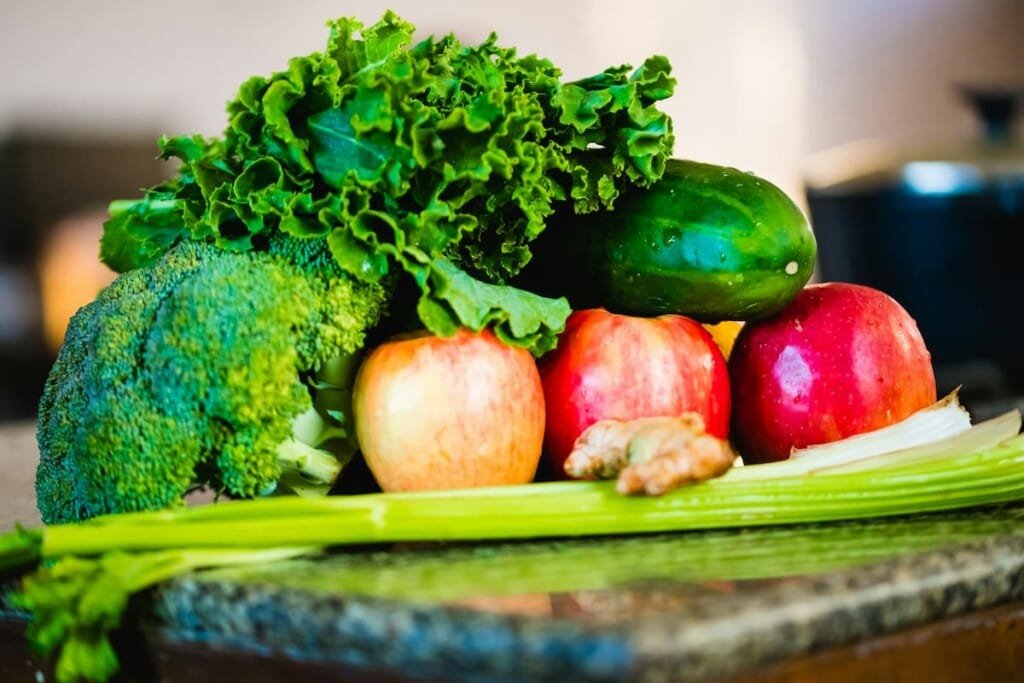
Most people think a smoothie diet is just: make a smoothie, drink it instead of a meal, repeat. The actual program is more specific than that. The nutrient ratios and ingredient combinations change week by week deliberately. Week one smoothies are higher in certain nutrients to kickstart fat burning. Week two shifts the balance. Week three is different again.
This matters because your body adapts to any consistent input over time. By varying the nutritional profile across the three weeks, the program is designed to keep your metabolism responding rather than adjusting to a fixed routine and plateauing. I didn’t fully appreciate this until week two, when I noticed the scale kept moving even though I felt like I had reached a point where it should have stalled. Going into the 21-day smoothie diet, I honestly expected to quit by day five.
The best part of the 21-day smoothie diet wasn’t the number on the scale — it was not having to think about food three times a day.
My Actual 21 Days
Week 1: I lost 6 pounds. I want to be clear about what that means — early weight loss on any program that reduces processed food and added sugar is partly water weight. I wasn’t under the illusion that I had lost 6 pounds of pure fat. But my jeans fit differently by day 7, which was real. The hunger was less of an issue than I expected — the smoothies are filling, built around ingredients with fiber and protein, not just fruit juice.
Week 2: Weight loss slowed, which is normal and expected. I lost another 4 pounds across the week. More importantly, I noticed my energy levels were consistently higher than they had been before starting. The afternoon slump I had normalized as just “how I am” mostly disappeared.
Week 3: This is where the habit started to feel automatic. I had made the same shopping routine twice. I knew which smoothies I liked and which ones I tolerated. The decision fatigue problem I started with was genuinely solved — not because the diet forced me, but because a routine had actually formed.
Total after 21 days: 14 pounds down. I’ll repeat my earlier caveat — not all of that is fat, and your results will depend on your starting point, your one solid meal choices, and how consistently you follow the schedule.
Worth being upfront about: 14 pounds in 21 days is faster than the 1-2 pounds per week that health guidelines like the CDC generally consider a safe, sustainable rate of weight loss. Individual results like mine vary a lot and aren’t a typical benchmark to expect — a slower, steadier pace is usually more sustainable long-term.
Who Should Talk to a Doctor Before Trying This
- Anyone with a history of disordered eating should talk to a doctor before starting any meal-replacement or restrictive eating plan
- Pregnant or nursing individuals should check with their OB before starting this or any structured diet program
- Anyone managing a medical condition, especially diabetes or heart conditions, needs medical guidance before significant dietary changes
- Rapid or unexplained weight loss that isn’t tied to an intentional program should always be discussed with a doctor first
This connects with something I explored in why my metabolism stalled after 40, since how your body responds to any structured eating plan changes with age.
What I Would Tell Someone Starting This
Buy a good blender before you start. You don’t need an expensive one — a mid-range model around $60-80 works fine — but trying to make thick smoothies in a cheap underpowered blender is genuinely frustrating and will make you want to quit.
Prep ingredients in advance. Sunday prep for the week — washing, cutting, and portioning fruit and vegetables into bags you can grab and blend in the morning — cuts your daily smoothie time to under five minutes. Your one solid meal matters too. The program works when the smoothies handle two meals and your third meal is reasonable — lean protein, vegetables, normal portions.
Is This Sustainable Beyond 21 Days?
The program is designed as a 21-day reset, not a permanent lifestyle. What most people find — and what I found — is that 21 days is long enough to break old habits and establish new ones. After the program, I kept one smoothie a day as a breakfast replacement because it had become genuinely easy and I felt better with it than without it. The program includes guidance on how to continue beyond 21 days if you want to keep losing weight.
Who This Works Best For
This works well if you struggle with decision fatigue around food, want a structured plan that removes the guesswork, and are willing to commit to 21 days without major deviations. It’s not ideal if you have specific dietary restrictions that make the recipes difficult to adapt, or if you genuinely dislike smoothies as a meal format.
Pricing
The program is currently $27 for full access — significantly discounted from the regular price. It comes with a 60-day money-back guarantee, which is what made trying it a low-risk decision for me.
60-Day Money Back Guarantee | Secure Checkout
Frequently Asked Questions
Is 14 pounds in 21 days a realistic expectation?
No, individual results vary significantly, and that pace is faster than the 1-2 pounds per week generally considered safe and sustainable. Treat it as one person’s experience, not a benchmark.
Do I need a special blender?
A mid-range blender ($60-80) works fine. A very cheap, underpowered blender can make the process frustrating.
Is this sustainable after 21 days?
It’s designed as a short-term reset. The program includes guidance for continuing afterward if you want to keep going.
Who should avoid this program?
Anyone with a history of disordered eating, who is pregnant or nursing, or managing a medical condition should talk to a doctor before starting any meal-replacement plan.
This reflects one person’s individual experience and results, which vary significantly based on starting weight, adherence, and individual factors. This is not medical or nutritional advice. Consult a doctor before starting any meal-replacement or restrictive eating plan, particularly if you have a history of disordered eating.