
Sluggish After Meals: Why Restaurant Food Made Me Feel Awful

Quick Answer: Feeling sluggish after meals — especially heavier, fatty restaurant food — combined with stubborn weight around the middle can point to your liver working harder than usual, since it plays a central role in fat metabolism, not just digestion. Liver-supporting habits like cooking with less oil, eating more leafy greens, and specific nutrients like milk thistle and berberine may help — but persistent symptoms or risk factors like diabetes or high cholesterol are worth discussing with a doctor rather than guessing.
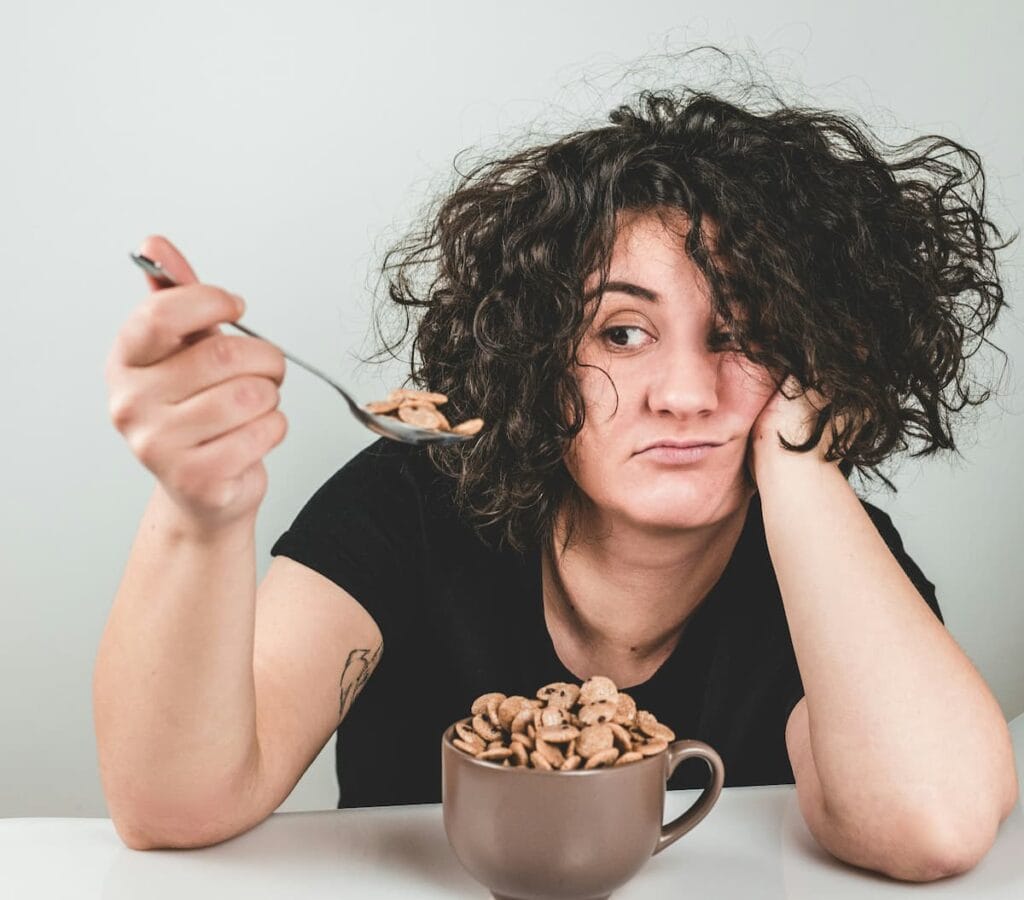
Feeling sluggish after meals started with fries, actually. I noticed I’d stopped ordering them, not out of willpower, but because I already knew how the next two hours would feel: heavy, foggy, a little queasy, like my body was working overtime just to process what I’d eaten.
The weight part was almost the more frustrating half. I was eating reasonably, moving more than I used to, and the scale barely budged, specifically around my middle. I chalked it up to age for a long time, the way you do, until a friend mentioned almost offhand that her doctor had asked about her liver during a checkup, not her weight directly. That stuck with me enough to actually look into it.
Why You Feel Sluggish After Meals — And Why It’s Not Just Weight
This connection has real physiology behind it, and it’s rarely the first thing anyone talks about when it comes to stubborn weight.
- The liver plays a central role in fat metabolism and hormone clearance, not just digestion, which means when it’s working harder than usual, the effects can show up as fatigue, bloating, brain fog, and stubborn abdominal weight rather than anything that obviously points back to the liver itself.
- Feeling worse after fatty or heavy meals specifically is a meaningful pattern, since that’s exactly the kind of food that increases the liver’s workload the most.
- Postmenopausal women are significantly more likely to develop fatty liver changes, since hormonal shifts affect how the liver processes fat, which is part of why this tends to become more noticeable in midlife even without major diet changes.
- Once I understood why I felt sluggish after meals, I wanted something that addressed the cause, not just the aftermath.
What I Found Digging Into the Research
That research led me to HepatoBurn, a capsule supplement built around milk thistle, resveratrol, green tea extract, and berberine. I want to be upfront about something first. The marketing leans heavily on a “Mysterious Red Phenol” hook, framed like some undiscovered breakthrough. In reality, “Red Phenol” is a branded name for a blend of polyphenol antioxidants, a real category of compounds, just presented with more mystery than the ingredients themselves really warrant. I’d encourage reading past that framing and focusing on what the actual ingredients are backed by.
What’s Actually Inside It
Here’s the honest rundown of the ingredients with the most independent research behind them:
- Milk Thistle (Silymarin): One of the most established herbs for liver support, with decades of research behind its role in protecting and supporting liver cell function.
- Berberine: Well-studied for metabolic support, including effects on blood sugar and fat metabolism, though it’s a genuinely active compound worth knowing about if you’re on certain medications, more below.
- Resveratrol: An antioxidant studied for its role in fat metabolism and cardiovascular support.
- Green Tea Extract: Researched for supporting fat oxidation, without relying on high stimulant doses.
- Genistein: A soy isoflavone studied for appetite and weight-related effects; worth knowing it’s a phytoestrogen, which matters for who should be cautious.
Deciding to Try It
The label recommends two capsules daily.
What I Actually Noticed
I want to be honest instead of dramatic. My weight didn’t dramatically shift. What I noticed first, around week three or four, was feeling less wrecked after a heavier meal, less of that foggy, queasy few hours I’d come to expect. That alone changed how I ate out, less out of restriction and more because I genuinely wanted to feel normal afterward.
Once I connected the dots on why I felt sluggish after meals specifically, the pattern made a lot more sense.
Who Should Talk to a Doctor First
This is the section I’d genuinely ask you not to skip. If you’re noticing persistent discomfort under your right ribs, ongoing fatigue, or you have risk factors like diabetes, high cholesterol, or obesity, it’s worth asking your doctor about an actual liver function test rather than guessing. Fatty liver disease is a real, diagnosable condition, and it’s worth knowing there’s currently no approved medication that treats it directly, weight loss remains the primary established treatment. A supplement isn’t a substitute for that conversation.
Berberine can meaningfully affect blood sugar, so if you’re on diabetes medication, talk to your doctor first to avoid overcorrection. Genistein is a phytoestrogen, so if you have a hormone-sensitive condition, that’s also worth discussing before starting.
A Few Practical Things Worth Knowing
Buy from the official site only. There’s a money-back guarantee, worth confirming the exact terms at checkout.
This kind of post-meal sluggishness ties closely into overall liver health, something I explored more in this piece.
A Few Small Habits I Added Alongside It
I don’t think it’s honest to credit a supplement alone. I started cooking more meals at home specifically with less added oil, not out of calorie-counting but because I noticed home food didn’t leave me feeling the same way restaurant food did. I added more leafy greens and cruciferous vegetables, which come up repeatedly in liver-health research. I also cut back on how often I finished a whole restaurant portion instead of taking half home, which sounds minor but added up.
None of these changes were dramatic individually, but combined with taking HepatoBurn consistently, meals stopped feeling like something I’d pay for later in the evening.
Why I Read the Ingredient List Before the Reviews
Products in this category live and die on testimonials, and testimonials are easy to write regardless of whether they’re true. I made myself look at the actual ingredients before reading a single review. Milk thistle and berberine held up well, they’re genuinely established. The “mysterious” framing around Red Phenol didn’t, and I’d encourage you to apply that same filter to anything you read in this space, including this article.
‘If you consistently feel sluggish after meals, especially heavier ones, that pattern is worth paying attention to rather than dismissing.
The Cycle I Didn’t Realize I Was Stuck In
Looking back, the pattern is obvious now. Heavy meal, hours of feeling foggy and bloated, low energy the next day, which made we want easy, often heavier food again rather than cooking. Repeat, without ever connecting the after-meal feeling to anything beyond “I ate too much.”
What I’d Tell Someone Just Starting to Notice This
If you’re only just starting to connect the dots, the first useful thing you can do costs nothing: pay attention to specifically how you feel two to three hours after heavier versus lighter meals. That pattern alone is worth mentioning to your doctor, and it’s free information you already have access to.
How I Started
If restaurant meals have started leaving you feeling worse than they should, it might be worth learning more about what’s actually inside a liver support formula built around real, individually-researched ingredients.
Frequently Asked Questions
Is this different from a general metabolism supplement?
Yes. This targets liver-specific support rather than general metabolism, which is a different, often overlooked angle on stubborn weight.
Is HepatoBurn a treatment for fatty liver disease?
No. It’s a dietary supplement, not a substitute for medical diagnosis or treatment. There’s currently no approved medication for fatty liver disease; talk to your doctor if you have risk factors or persistent symptoms.
Why do I feel sluggish after meals but not between them?
This usually points to how hard your liver is working to process what you ate — heavier or fattier meals demand more from it, which is why the sluggishness shows up specifically after eating rather than as constant fatigue.
These statements have not been evaluated by the Food and Drug Administration. This product is not intended to diagnose, treat, cure, or prevent any disease, including liver disease. Consult your doctor before starting, especially if on diabetes medication, have a hormone-sensitive condition, are pregnant, or nursing.
Keep reading
More evidence-based guides for staying strong after 40.